
Describe the property
Send the location, symptoms, equipment and access details. State whether the work is a repair, replacement or planned project.
Need duct cleaning in Chatham-Kent? Tell us which air ducts, dryer vent or ventilation equipment need attention. A responding provider will confirm coverage and availability before booking.
Get A Free QuoteCompare scopes for cleaning supply and return runs, including trunk-line access, negative-pressure collection, and how the work will be documented.
View scopeReview a complete route from the dryer connection to the exterior cap, including visible obstructions and whether airflow is recorded at the termination.
View scopeAsk which equipment components are included, such as the blower assembly, evaporator coil, condensate pan, and drain path.
View scopeCompare scopes for removable HRV core washing, dampers, screens, condensate trays, and separate bathroom or laundry exhaust runs.
View scopeDiscuss the odour source and cleaning sequence first; request product details, label directions, application information, and re-entry guidance.
View scopeAsk how pressure testing will guide leak sealing and whether crushed flex duct, detached boots, or loose trunk joints need rebuilding.
View scopeDefine building areas, rooftop or make-up air equipment, access limits, operating hours, and the documentation your organization requires.
View scopeFor commercial duct cleaning in Chatham-Kent, begin with the building use, system type, access restrictions, and records your organization needs. Offices, halls, shops, daycares, and agribusiness buildings may have different operating hours and equipment, so a scope should identify the areas and units included rather than rely on a general description. Ask how rooftop packages or make-up air units will be assessed, what documentation and photographs will be supplied, and whether work can be planned around occupancy. These details help compare proposals and coordinate access responsibly.
Compare scopes for cleaning supply and return runs, including trunk-line access, negative-pressure collection, and how the work will be documented. Review a complete route from the dryer connection to the exterior cap, including visible obstructions and whether airflow is recorded at the termination. Ask which equipment components are included, such as the blower assembly, evaporator coil, condensate pan, and drain path.
Compare scopes for removable HRV core washing, dampers, screens, condensate trays, and separate bathroom or laundry exhaust runs. Discuss the odour source and cleaning sequence first; request product details, label directions, application information, and re-entry guidance.
Ask how pressure testing will guide leak sealing and whether crushed flex duct, detached boots, or loose trunk joints need rebuilding. Define building areas, rooftop or make-up air equipment, access limits, operating hours, and the documentation your organization requires.
When planning dryer vent cleaning in Chatham-Kent, identify the dryer location and where its duct terminates outdoors. If clothes take longer to dry, note whether the vent run is long, bends through an attic or crawlspace, or ends at a hood with louvers. Ask what the proposed scope covers from the appliance connection to the exterior cap, and whether airflow will be checked afterward. Photographs of the appliance connection and outside termination, when safely accessible, can help clarify the route and any visible obstruction before work is planned.
Explore this serviceSend the location, symptoms, equipment and access details. State whether the work is a repair, replacement or planned project.
The request is reviewed so the responding provider can clarify the work, property access and service coverage.
Agree the provider identity, qualifications, written scope, pricing and visit window directly. Sending a form does not confirm an appointment.
For a seasonal home, share the dates when the building is normally accessible and whether systems have been shut down. Ask what needs to be available for inspection, including the HRV and exhaust terminations. A seasonal visit can be planned around access and occupancy, but the appropriate timing depends on the property and the scope rather than a fixed calendar.
If return ductwork passes through a garage, crawlspace, or utility area, point out the route and ask whether its connections will be inspected for leakage. A leaking return may draw air from outside the intended living space, but that should be verified rather than assumed. Photographs and test findings help clarify which joints, if any, need sealing.
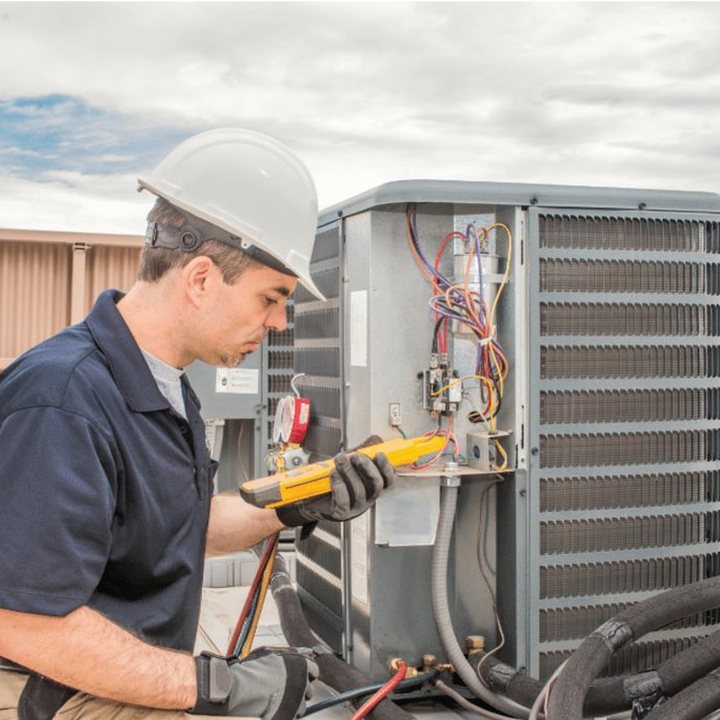
For make-up air units or rooftop packaged equipment, ask how each system will be measured, assessed, and listed in the quote. Confirm which components and access arrangements are included, and how changes will be handled if conditions differ from those observed. A system-by-system description helps avoid treating complex equipment as though it were ordinary residential ductwork.
If a cottage or other property has been closed for a period, note when the odour appears and whether it is strongest near registers or elsewhere. Photograph visible concerns and ask how the source will be distinguished from material in ducts. This information helps determine whether duct cleaning or another inspection should be considered before any treatment.
If a home is near fields, uses a wood stove, or has long periods with windows closed, mention that when discussing the scope. These conditions may be relevant to what you want inspected, but they do not establish the condition of the ducts. Ask what observations or photographs would help determine whether they affect the system.
Use the form to describe the property, the symptoms and the work requested. For Bothwell, Thamesville, Highgate, Merlin, include your postal code so local coverage can be checked.
A service area page explains project questions. Before booking duct cleaning service, ask the responding provider to confirm service at your exact address and the proposed visit window.